Highland Village's Flock camera program faces new uncertainty after Gov. Greg Abbott's funding freeze shut off more than 900 of the surveillance devices across Texas.
At least 14 cities and counties have unplugged cameras since Abbott ordered state agencies to stop spending on Flock technology on Aug. 27, according to a Denton Record-Chronicle and Texas Tribune investigation published Friday, Sept. 25. Highland Village, which runs its own Flock network, has not said whether the freeze affects its program.
The fallout is splitting Texas cities. Plano, Robinson and Kendall County ended their Flock contracts entirely. Houston and Dallas shut off only grant-funded cameras, keeping the rest running. Laredo's City Council voted 7-2 on Monday, Sept. 21, to put a nonbinding referendum before voters in May on whether to spend $1 million a year to keep 165 cameras operating.
"If continuing these Flock systems will require the local taxpayer to fund their entire system, I believe that 272,000 residents should have an opportunity to express their opinion," Laredo Mayor Victor Treviño said before the vote.
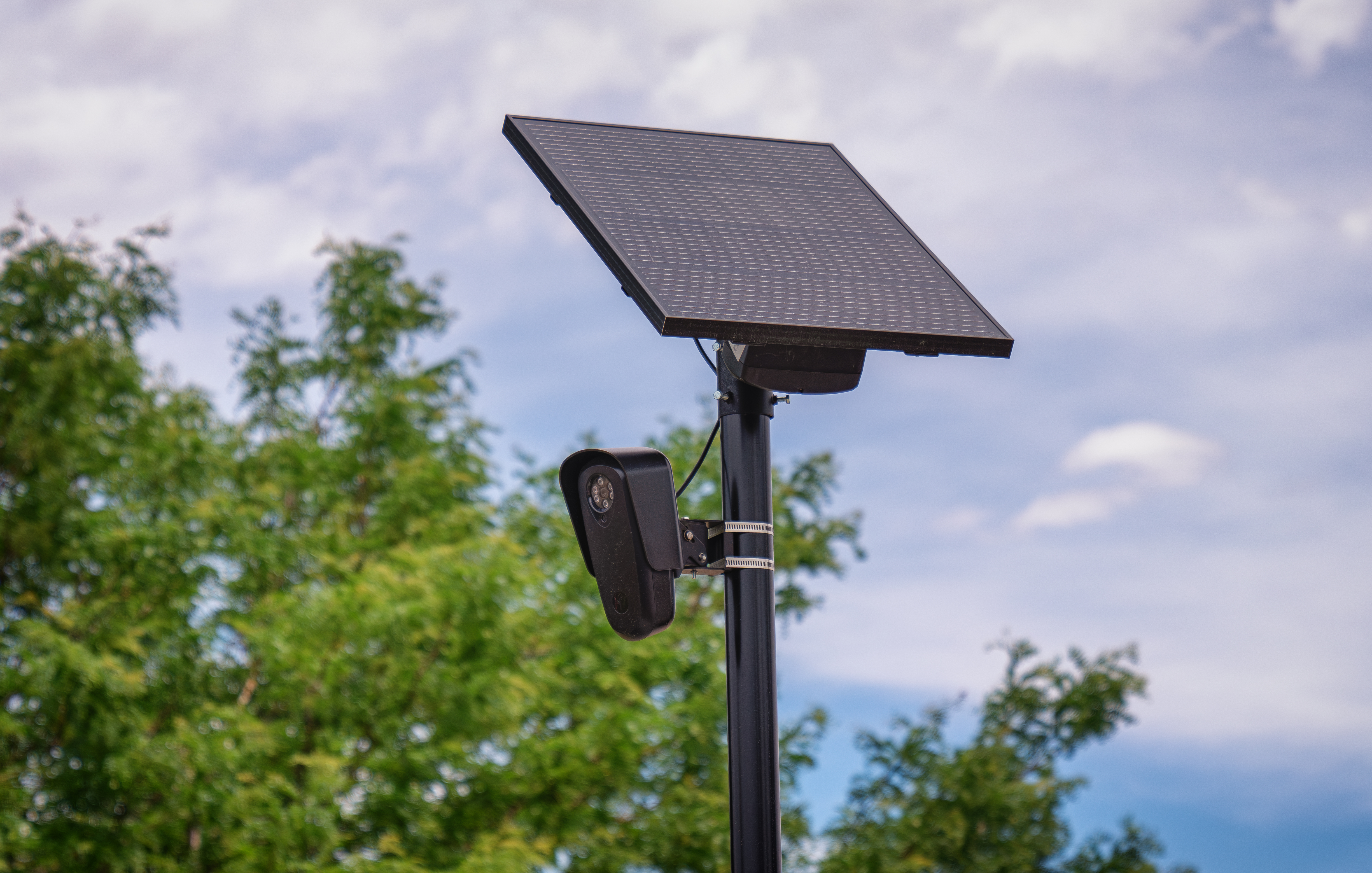
The cameras use artificial intelligence to scan every passing vehicle, uploading plate numbers, model, color and bumper stickers to a searchable database. Unlike plate readers mounted on police cruisers, Flock cameras give law enforcement agencies across the country access to that data. Texas has no statewide law governing how long that data is kept or who can search it.
That data-sharing reach drew concern from State Rep. Mitch Little, R-Lewisville, who told the Texas Tribune on Aug. 28 that cross-jurisdictional access is "highly problematic."
Highland Village's position
Highland Village Police Chief Doug Reim briefed the City Council on Aug. 25 on the department's Flock program, covering how the system works, what data it collects and the privacy safeguards in department policy, according to a city news release. Reim emphasized that camera alerts are investigative leads, not grounds for enforcement action on their own.
Highland Village does not appear on the Motor Vehicle Crime Prevention Authority's (MVCPA) fiscal year 2026 grant list. That suggests the city may fund its cameras locally rather than through the state grants Abbott froze. The city's specific contract terms, including the number of cameras and annual cost, have not been made public.
The distinction matters. Cities relying on MVCPA grants face an immediate budget hit. Schertz Assistant Police Chief Phillip Waller told the Tribune the freeze is "a major hit to the budget" for smaller departments.
Highland Village is already navigating tight finances. The city approved a property tax rate increase of about 3.9 percent on Sept. 15 after disclosing a $2.1 million deficit in July. The city is nearly built out, limiting its ability to grow revenue through new development.
Flower Mound and Lewisville
Flower Mound does not operate its own Flock cameras. The Town Council tabled a proposed $133,750 contract in 2023 and never moved forward, according to the North Texas Sun. Flock cameras in Flower Mound are owned by HOAs and commercial property owners.
Neighboring Lewisville's police department credited Flock cameras with helping solve a Labor Day weekend shooting, according to the Cross Timbers Gazette. Detectives used the cameras to identify a suspect vehicle, leading to an arrest on three counts of aggravated assault with a deadly weapon.
What comes next
The MVCPA, the state agency that funneled at least $30 million into more than 3,200 Flock cameras statewide, meets next on Oct. 13. The authority has not released guidance on how its grants have been affected by Abbott's order.