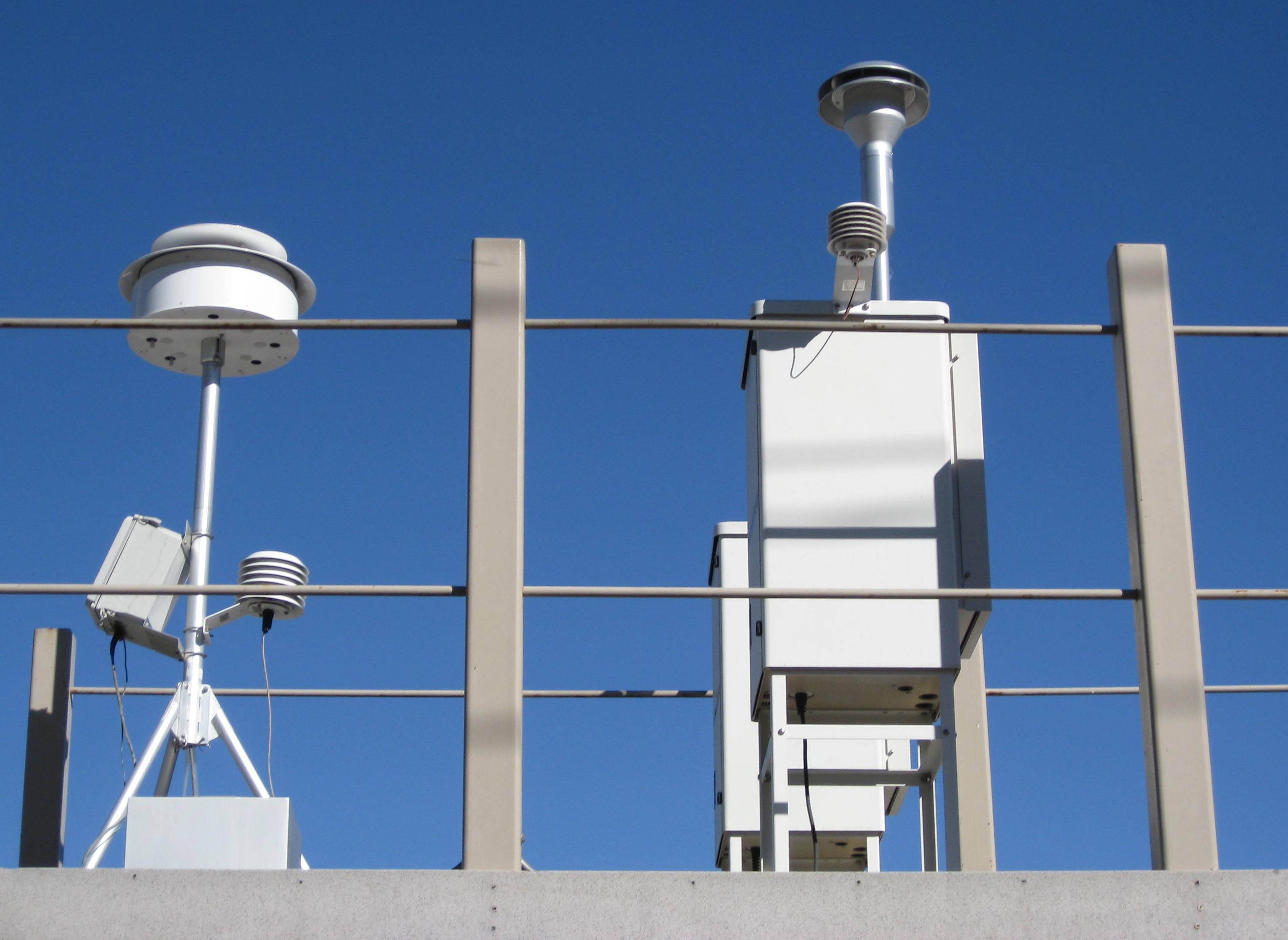
Flower Mound and Highland Village residents should limit outdoor exertion Wednesday, Oct. 7, as ozone levels across Denton County are expected to climb into unhealthy territory.
The Texas Commission on Environmental Quality (TCEQ) declared an Ozone Action Day for the Dallas-Fort Worth area for Wednesday. The National Weather Service Fort Worth office broadcast the alert Tuesday, Oct. 6, at 3:12 p.m.
The alert covers Denton County along with 12 other North Texas counties, including Collin, Tarrant and Dallas.
What's driving it
According to the TCEQ's Tuesday forecast, light winds, warm temperatures, abundant afternoon sunshine and elevated background ozone levels could push air quality to the lower end of the "Unhealthy for Sensitive Groups" range on the west side of the DFW area. The alert expires at 6:15 p.m. Wednesday.
Ground-level ozone is not emitted directly into the air. It forms when vehicle exhaust, industrial emissions and gasoline vapors react with sunlight, according to the TCEQ. The agency describes it as a respiratory irritant that can cause decreased lung function, pain with deep breaths and aggravated asthma symptoms.
Who should take extra care
People with asthma, emphysema, COPD and heart disease face the highest risk, according to the TCEQ. Children are also vulnerable. Their lungs are still developing, and they tend to spend more time outdoors.
What residents can do
The NWS alert lists several steps to reduce ozone-forming pollution:
- Carpool, walk or bike instead of driving alone
- Pack lunch instead of using drive-through lanes
- Conserve electricity
- Keep vehicles properly tuned and tires inflated
- Refuel in the late afternoon or evening and avoid topping off the tank
- Use paint and cleaning products with low or zero volatile organic compounds
- Skip burning yard waste
Past ozone seasons
The DFW area recorded 43 Ozone Action Days in 2024, 58 in 2023 and 61 in 2022, according to TCEQ records. The ozone forecast season for DFW runs March 1 through Oct. 31.
Residents can sign up for TCEQ air quality alerts at tceq.texas.gov or check real-time readings at AirNow.gov.