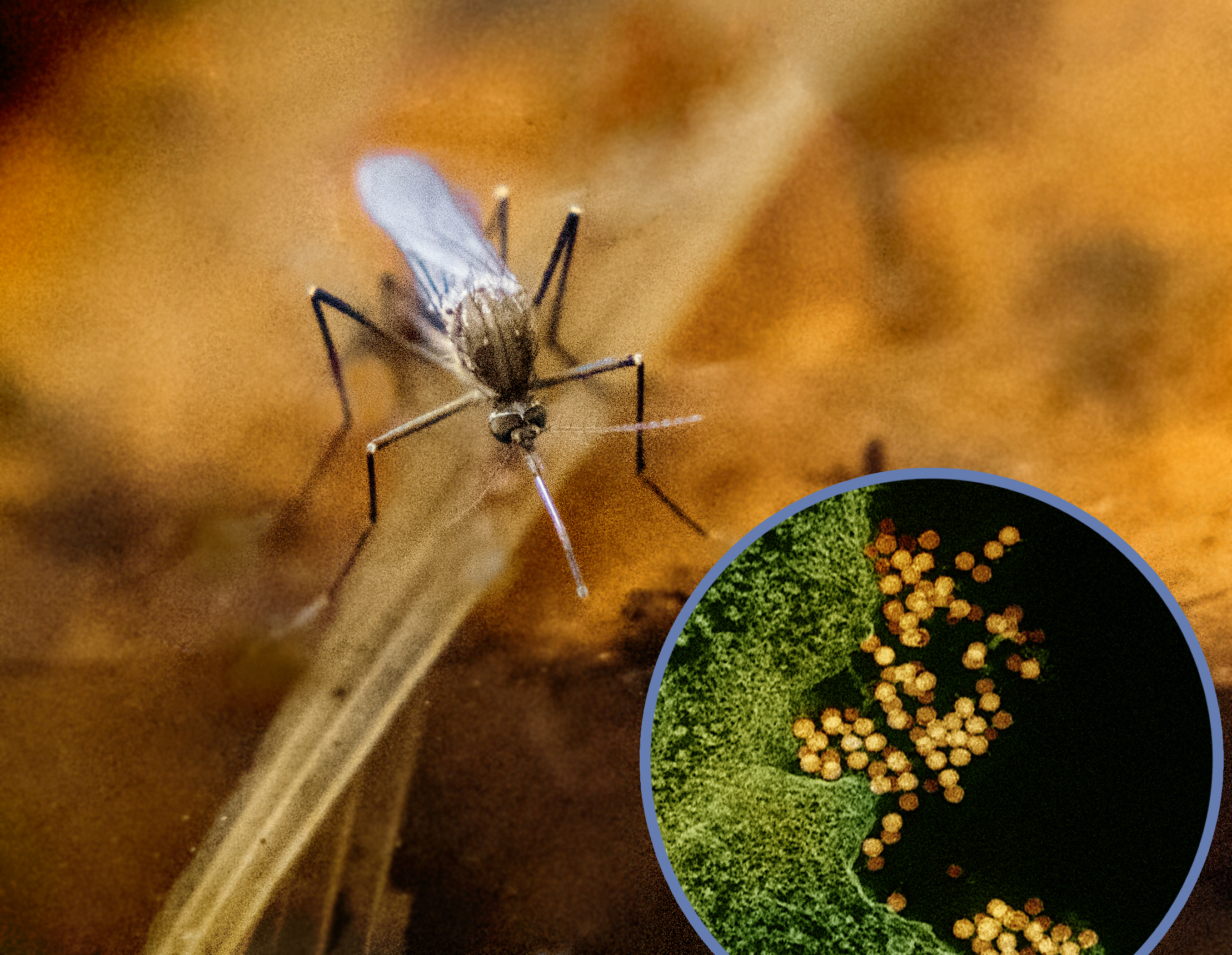
Flower Mound-area residents face a continued West Nile virus threat after Denton County Public Health (DCPH) confirmed its sixth human case of the year. Four of the six patients were diagnosed with the potentially fatal neuroinvasive form of the disease.
DCPH announced the latest case on Tuesday, Oct. 13. The patient lives in the City of Denton and was diagnosed with West Nile Neuroinvasive Disease. DCPH declined to release further personal information, citing patient confidentiality.
The four-of-six neuroinvasive breakdown was reported by the Denton Record-Chronicle.
The season's first confirmed case, announced July 30, was a Flower Mound resident also diagnosed with the neuroinvasive form, according to the Flower Mound Bee. The virus has been present in the county since at least midsummer.
"Even though temperatures are decreasing, preventing mosquito-borne illnesses remains a priority," Juan Rodriguez, DCPH assistant director and chief epidemiologist, said in the Oct. 13 announcement. "Protecting ourselves from mosquito bites is a preventive practice easily done before heading outdoors."
No vaccine exists. No medicine treats West Nile virus in people, according to DCPH. The agency's prevention guidance centers on three steps:
- Drain standing water in yards and neighborhoods. Bird baths, flowerpots and clogged rain gutters are common breeding sites. DCPH recommends BTI briquettes, often called mosquito dunks, for standing water that cannot be removed.
- Dress in long sleeves and pants outdoors. Spray thin clothing with repellent.
- Defend with EPA-registered repellent containing DEET, Picaridin or Oil of Lemon Eucalyptus.
Rodriguez has urged precautions throughout the season. When DCPH announced the fourth case on Sept. 8, he warned of "a continued threat of mosquito-borne illness" and called on residents to take proactive measures.
DCPH has confirmed six cases since July 30. The fifth case's date, location and severity do not appear in available DCPH announcements.
Residents can find mosquito-activity maps and prevention details on the Denton County Public Health website at DentonCounty.gov/WNV.