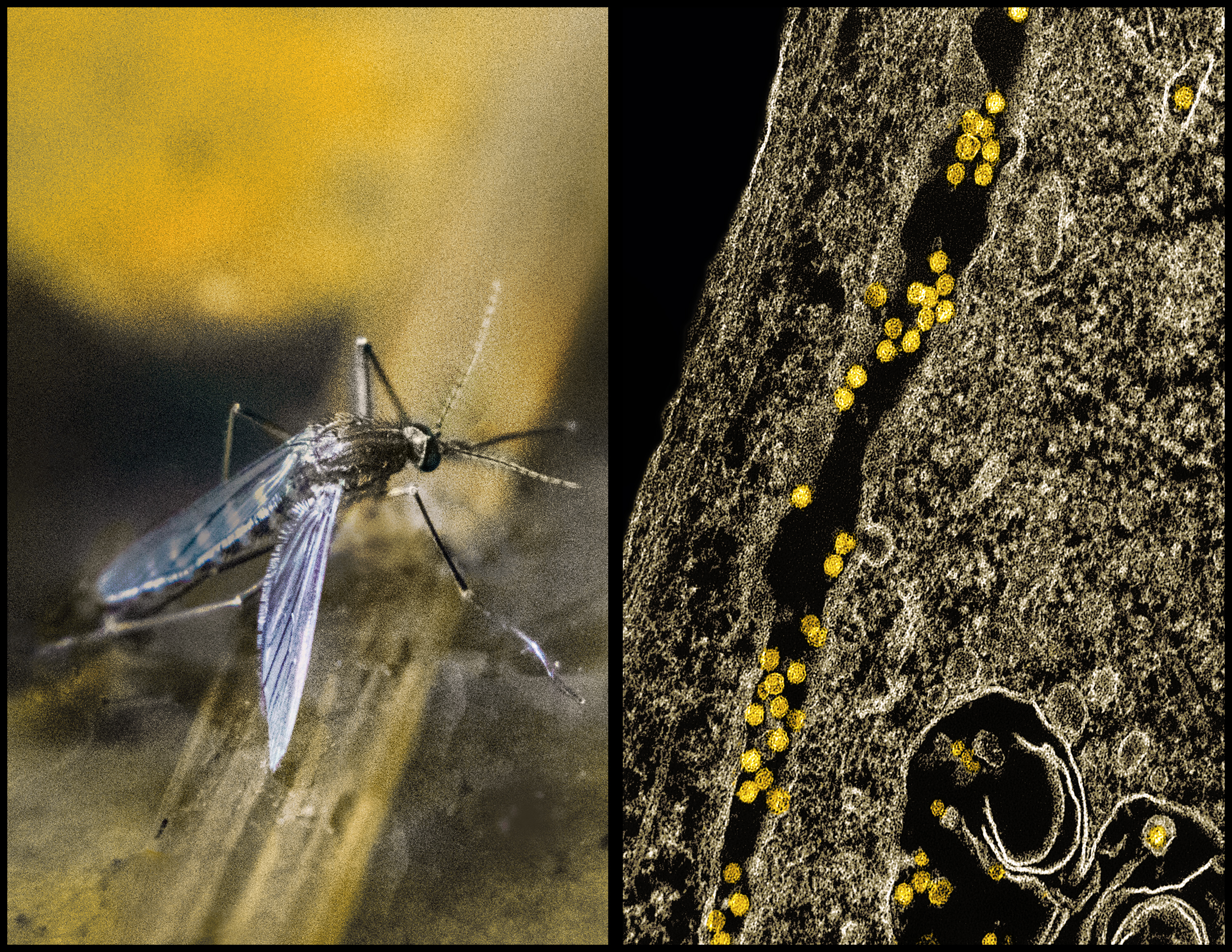
A resident of The Colony has been diagnosed with West Nile Virus Neuroinvasive Disease, the most dangerous form of the mosquito-borne illness, making it the second confirmed human case in Denton County this season.
Denton County Public Health announced the diagnosis on Thursday, July 30, noting that no further patient details would be released to protect confidentiality. The neuroinvasive form attacks the central nervous system and can cause encephalitis, meningitis, or paralysis. Roughly 1 in 10 people who develop neuroinvasive disease die from it, and survivors often face lasting neurological problems, according to KERA News.
The announcement matters for Flower Mound and Highland Village residents who spend summer evenings on lakeside trails and neighborhood parks. A mosquito trap in Flower Mound tested positive for West Nile as of July 8, and the county has conducted fogging operations in multiple locations since July 1. As we reported July 28, overnight fogging east of Oak Point wrapped up July 29 after another positive trap detection.
"We encourage all community members to practice prevention to reduce their risk," said Juan Rodriguez, Assistant Director and Chief Epidemiologist at Denton County Public Health. Rodriguez noted there are no vaccines or medicines to prevent West Nile in people.
Who's most at risk
People over 60 and those with cancer, diabetes, hypertension, kidney disease, or compromised immune systems face substantially higher risk of developing the neuroinvasive form if infected. Culex mosquitoes, the species carrying West Nile locally, bite most aggressively at dusk and dawn.
Drain, Dress, Defend
DCPH urges residents to follow three steps:
- Drain standing water where mosquitoes breed: bird baths, flowerpots, clogged gutters, pet bowls, tarps, and unused pools. Use BTI briquettes (mosquito dunks) in water that cannot be removed.
- Dress in long sleeves and pants outdoors. Spray thin clothing with repellent.
- Defend with EPA-registered repellent containing DEET, Picaridin, or Oil of Lemon Eucalyptus.
Peak season still ahead
The first human case this season was reported July 10 and involved non-neuroinvasive disease. West Nile season in North Texas typically runs April through mid-November, with the highest-risk weeks historically falling in August and September.
Residents can find mosquito trap maps, fogging schedules, and updated case counts at DentonCounty.gov/WNV.